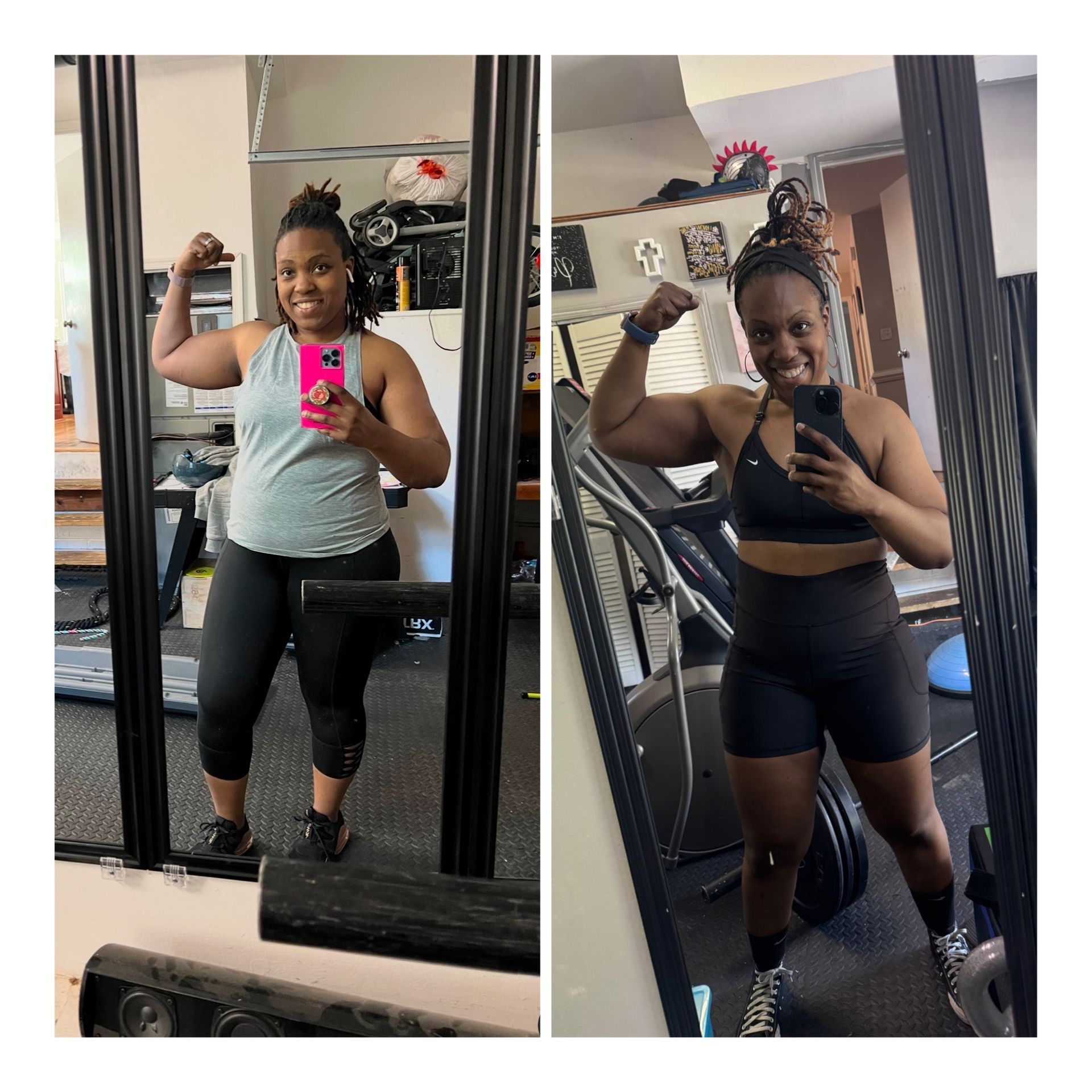
Why Moving Daily Is Crucial For Your Wellbeing?
Overcoming Being Sedentary

In a world where convenience often trumps activity, it's easy to fall into the trap of sedentary living. The modern lifestyle, filled with long hours of sitting at desks, watching screens, or commuting, can lead to serious physical and mental health issues. That’s why incorporating movement into your daily routine isn’t just a nice-to-have—it's a must. Here’s why moving daily is crucial for your overall health and well-being.
1. Boosts Physical Health
The most obvious benefit of moving daily is the improvement in physical health. When we move our bodies, we engage muscles, improve circulation, and support heart and lung function. Here are some of the key benefits:
- Increases Cardiovascular Health: Regular movement, whether it’s walking, running, or dancing, strengthens the heart and lowers the risk of heart disease.
- Maintains a Healthy Weight: Physical activity helps regulate metabolism, which is essential for weight management and preventing obesity.
- Improves Flexibility and Strength: Engaging in various movements keeps your muscles and joints flexible, reducing the risk of injury and improving your balance as you age.
- Supports Bone Health: Weight-bearing activities like walking or jogging help maintain bone density and prevent osteoporosis, especially important as we get older.
2. Mental Health Benefits
The positive effects of daily movement aren’t confined to your physical body. Regular activity has profound impacts on your mental and emotional health, too:
- Reduces Stress and Anxiety: Physical activity stimulates the release of endorphins, chemicals in the brain that act as natural mood lifters. It’s one of the most effective ways to manage stress and anxiety.
- Improves Mood and Mental Clarity: Exercise can act as a natural antidepressant, reducing the symptoms of depression and improving cognitive function. When you move, your brain releases serotonin and dopamine, which help regulate mood and improve focus.
- Enhances Sleep Quality: A day filled with physical activity helps promote better sleep patterns, helping you fall asleep faster and enjoy deeper, more restorative rest.
- Boosts Confidence: Regular movement helps you feel stronger, healthier, and more capable, leading to an increase in self-esteem and body confidence.
3. Supports Longevity
Movement is a key factor in aging gracefully. Research consistently shows that those who stay active as they age tend to live longer and experience fewer chronic health problems. Regular activity can prevent or delay the onset of conditions like diabetes, arthritis, and even Alzheimer’s disease. The more you move, the more you reduce your risk of becoming frail or dependent as you get older.
4. Improves Brain Health and Cognitive Function
The benefits of moving daily go beyond mood regulation—they also extend to brain health. Studies have shown that physical activity increases the size of the hippocampus, the part of the brain responsible for memory and learning. This means regular exercise not only helps maintain cognitive function as you age, but it can also improve your ability to learn and retain information.
- Memory and Learning: Regular movement boosts neuroplasticity—the brain’s ability to reorganize itself by forming new neural connections. This helps you retain information, solve problems more effectively, and think more clearly.
- Reduces Cognitive Decline: Regular exercise is linked to a reduced risk of age-related cognitive decline and neurodegenerative diseases, such as dementia.
5. Increases Energy and Productivity
It may seem counterintuitive, but moving more actually gives you more energy. When you’re sitting for long periods, your body’s energy levels can dip, leaving you feeling sluggish or tired. On the other hand, regular movement can increase circulation and oxygen flow throughout the body, making you feel more energized and ready to take on the day.
Additionally, daily movement helps sharpen focus and concentration, making it easier to stay productive. Whether you take a walk, do a quick workout, or stretch, these activities improve blood flow to the brain, enhancing cognitive performance and creative thinking.
6. Promotes Better Posture
One of the hidden costs of sitting for long periods is poor posture, which can lead to chronic back, neck, and shoulder pain. Daily movement, especially exercises that target core strength and flexibility, can help you maintain good posture and avoid these types of discomforts. By engaging in activities like yoga or Pilates, you can strengthen the muscles that support your spine, ultimately improving your posture and alleviating pain.
7. Social Connection
Movement isn’t just beneficial for your body and mind; it can also help you stay socially connected. Whether you're going for a walk with a friend, joining a fitness class, or participating in a sports team, physical activity offers a great opportunity to connect with others and build meaningful relationships. This sense of community is essential for mental health and helps combat feelings of loneliness and isolation.
How to Incorporate More Movement into Your Day
Now that you know why daily movement is so important, the next step is figuring out how to make it happen. Here are some easy ways to incorporate movement into your everyday life:
- Take Walks: Walking is one of the simplest and most effective forms of exercise. Take a walk after meals, during your lunch break, or just to clear your mind.
- Use the Stairs: Skip the elevator and take the stairs whenever you can. This will give your heart a good workout and tone your legs.
- Stretch Throughout the Day: Even if you don’t have time for a full workout, taking short breaks to stretch and move can have big benefits.
- Try Desk Exercises: If you work at a desk, try seated leg raises, shoulder shrugs, or neck stretches to keep your body moving.
- Make It Social: Join a group fitness class, play a sport, or invite a friend to take a walk with you. Having a social component makes movement more fun and sustainable.
- Set a Timer: If you’re busy with work, set a timer to remind yourself to stand up and move every hour. Even just 5-10 minutes of movement can make a big difference.
Conclusion
The importance of daily movement cannot be overstated. Whether you’re trying to improve your physical health, boost your mood, or enhance your productivity, moving regularly is a powerful tool. It’s not about hitting the gym for an hour every day; it’s about building movement into your routine in a way that works for you. So, take the stairs, go for a walk, stretch, or dance—just keep moving. Your body and mind will thank you!
Know Your Value